KU MedChem Newsletter Spring 2025
Note From the Chair
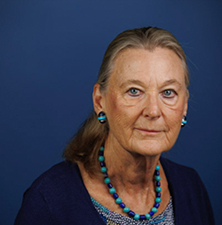 It's my pleasure to present our 2025 Newsletter. After serving as Interim Dean of the School of Pharmacy for the past year, I'm back…! On August 1st, I resumed my duties as Chair of Medicinal Chemistry thus, relieving Dr. Apurba Dutta who graciously took the helm during my time away from the department. My period in the dean's office was a very educational experience, exciting, and with new situations that required swift action and decisions. Being part of the Leadership Team opened my eyes to a world unknown to me and made me appreciate the complexities of such an enormous organization as is KU. During this engaging period, I also experienced lighter and enjoyable moments such as being on center court at a KU men's basketball game in Allen Fieldhouse during a faculty recognition ceremony (an unforgettable experience). A few months ago, I handed over my duty to our new dean, Dr. David Dietz, who hails from the Department of Pharmacology and Toxicology at the University at Buffalo.
I wish to acknowledge another outstanding year as our faculty, students, and staff continue to demonstrate excellence across all areas of our research, teaching and service missions. Faculty continue shaping our research environment with new federal funding, including grants awarded to Dr. Luke Erber (NIH MIRA-R35) and Dr. Zarko Boskovic (NSF). Faculty also secured grants from the pharmaceutical industry to advance their fields of research and continued research with ongoing and funded projects.
Our graduate students (Ph.D. and M.S. tracks) continue to achieve at the highest levels. Our most recent graduating class received their diplomas and have entered the profession in academic and industrial research across the US and abroad. Our graduates are high in demand and have secured employment in notable organizations such as Brown University, the University of Texas at Dallas, UNC Chapell Hill and drug companies such as AbbVie Boston and Bicycle in Cambridge, U.K.
Students and faculty presented extensively at national and international conferences and continue publishing their research in topflight journals. I'm proud to mention that our graduate students and post docs were recognized with awards and fellowships (i.e., Chancellor's Fellowship, Irsay-Dahle Award).
Through teaching core and elective courses in the professional program, our faculty continue to contribute to the Pharm.D. curriculum and students consistently achieve at the highest levels, as evidenced by their receiving numerous awards and high scores in licensure exams and pharmacy residency programs across the U.S.
On a sad note, our longtime colleague and dear friend, Dr Robert (Bob) Hanzlik, passed away in March 2025. He was a mentor par excellence to students, young and senior colleagues. His numerous and positive personal attributes and contributions to our field will long be remembered by all of us. We miss him dearly. Please refer to Dr. Hanzlik's obituary later in this newsletter.
Jane Buttenhoff, our long-time Administrative Associate, retired in July after +60 years of faithful service to KU and being the much-esteemed image of our department. Past and new generations of medicinal chemists identify our department with her smiling face, positive attitude and the person to go to when in need. I remember her having the most impressive filing system in paper format who could find in a second any information or laboratory book going back to the 1960s. Thank you, Jane, for your friendship and loyalty to our department for so many years of service.
Recently, Rhonda Peterson assumed Jane's role as our Business/Office Manager, and we welcome and wish her many good years with our department. Please contact Rhonda if you need information or documentation from your past days in the department.
We all are grateful for our donors who have continued to support our mission and vision. Together, we are making a meaningful impact on the advancement of science for human health. I am immensely proud of the dedication and passion exhibited by our students, alumni, faculty and staff. Our collective commitment to excellence propels us forward into 2026 and beyond. Below, we are presenting our stories of the past year.
With warm regards, wishing you Happy Holidays and a Happy New Year,
Barbara N. Timmermann, Ph.D.
University Distinguished Professor and Department Chair

Dr. Barbara Timmermann with Dr. Bradley Newell, Associate Dean, School of Pharmacy Wichita, at the recognition ceremony during KU men’s basketball game.
Departmental News
MIKIW 2025 Lawrence
This year, we hosted the 62nd annual MIKIW meeting here at KU! Around 170 participants from Minnesota, Iowa, Kansas, Illinois and Wisconsin descended on Lawrence from April 25th through the 27th to deliver 12 oral student presentations and 72 posters. Our own Matt Russolillo (Farrell group), Pei Hsuan-Chen (Bloom lab), and Shalakha Hegde (Wang lab, now in Chicago) did a tremendous job with their presentations, setting the stage for the keynote speaker Matt Disney from Scripps Florida who lectured on therapeutic targeting of RNA molecules – a timely topic. For conversations, socializing and catching up with our MIKIW family, we went to the Maceli’s lounge, and we held a formal dinner party at the Oread hotel on the hill. Until next year in Iowa!

2025 MIKIW Keynote Speaker

Memorial Lectures

2025 Mertes Award Lecturer
Mathias P. Mertes Memorial Lecture, October 2025
Dr. Stuart Conway from the University of California, Los Angeles. He presented the award lecture on "Achieving Selectivity in Targeted Protein Degradation".
Edward E. Smissman Memorial Lecture, October 2026
Dr. Stephen L. Buchwald, Camille Dreyfus Professor Chemistry at MIT, has been selected and accepted as the award lecturer for the 50th anniversary of the Edward E. Smissman Lecture series. Check the Medicinal Chemistry website for the latest information
Departmental and Student Awards
Irsay-Dahle Award for Excellence in Medicinal Chemistry

Shalakha Hegde (Wang lab) was selected as the 2025 Irsay-Dahle Award winner. Shalakha completed her Bachelor of Pharmacy and her Master of Technology in Pharmaceutical Process Chemistry at NIPER-Mohali, India. She subsequently moved to the U.S. to pursue her Ph.D. in Medicinal Chemistry at the University of Kansas, where she joined Dr. Wang’s lab before relocating with the group to the University of Chicago. Her work spans multiple areas of RNA chemical biology, including the development of RNA-degrading chimeras targeting viral and neurodegenerative disease-associated RNAs and mechanistic studies of small-molecule recognition of RNA structures. The Irsay-Dahle Award was established to provide an annual award to an outstanding senior graduate student in the department, with selection criteria including the quantity and quality of research accomplished, originality of the research proposal, quality of seminars, GPA, and service to departmental affairs. Shalakha graduated in May 2025 and is now working as a postdoctoral researcher at Brown University, where she is applying her expertise to Alzheimer’s disease research.
Dr. Gregory L. and Frances L. Lauver Fellowship in Medicinal Chemistry
Dr. Lauver earned a B.A. in chemistry from the University of Kansas in 1969. After earning his M.D. from Northwestern University Medical School in Chicago, he completed an internal medicine residency at the Mayo Clinic and a pulmonary fellowship at the University of Arizona. Dr. Lauver practiced pulmonary and critical care medicine in the Phoenix area for many years.
In 1985, Dr. Lauver and his wife, Frances Lamont Lauver, established an undergraduate scholarship at KU in honor of his parents, James L. and Edna Fay Lauver. In 2014, they also established the Dr. Gregory L. and Frances L. Lauver Medicinal Chemistry Fellowship in support of graduate student research in medicinal chemistry.
Dr. Lauver credits much of his success to his undergraduate education at KU. "My KU professors, especially the chemistry and bioscience faculty, helped launch my career in medicine. The medicinal chemistry faculty nurtured my interest in respiratory pharmacology," Lauver said.
The recipient(s) for the 2025-2026 Lauver Fellowship will be selected by faculty committee early January 2026. Check the MedChem Lauver Fellowship Website for the latest information.
Chancellor's Doctoral Fellowship

Established in 2013 by Chancellor Bernadette Gray-Little, the Chancellor's Doctoral Fellowship (CDF) supports departments in the recruitment of the very best and most talented graduate students to study at the University of Kansas. This prestigious fellowship recognizes students who exemplify the Chancellor’s values for doctoral education, including academic excellence, research productivity, an ability to communicate the value of their research to a broad audience, and a vision for leadership within the Fellow’s field of study.
Graduate student Mauricio Bahena Garcia (Boskovic lab) earned the prestigious Chancellor's Fellowship, providing full support for three years of his doctoral study. Mauricio’s journey with the group began as a Fulbright-supported M.S. student, and this new fellowship highlights his continued excellence and promise as a researcher.
Alumni News and Awards
Gary Grunewald Alumni Award
This award is in the planning stage with Dr. Mike Rafferty heading a selection committee to make final arrangements. A Medicinal Chemistry Alumnus will be selected to receive the award and presented at a dinner. The award will be funded by Dr. Grunewald’s estate.
Faculty News
Dr. Steven Bloom
It has been an exciting 2025 for the Bloom Lab. At the beginning of the Fall semester, Dr. Bloom was promoted to Associate Professor with tenure. Dr. Bloom is enjoying his new role within the Medicinal Chemistry Department and School of Pharmacy and looks forward to the next stage of his career at KU. Students in the Bloom lab are also taking on new roles. Two graduate students, Samuel Gary and Allen Alonso Haysom-Rodríguez, successfully defended their PhDs earlier this year. Sam began a Postdoc at the University of Texas at Dallas, and Alonso joined Bicycle Therapeutics as a medicinal chemist. Both are excelling in their new positions and applying all that they learned in the Bloom lab. A third student, Pei-Hsuan Chen, is set to graduate at the beginning of next year with her PhD.
The lab was also pleased to welcome a new graduate student, Guangyu Zhang, and its first master’s student, Claire Dickson. In other news, the group has continued its strong publication record, disclosing new chemistries to introduce unnatural amino acids into peptides. The Bloom lab used these new synthetic technologies to discover a host of synthetic peptides aimed at treating various diseases. The Bloom lab developed a small anti-amyloid peptide for the treatment of Alzheimer’s Disease, and a series of peptides for the treatment of obesity. This latest work is being supported by a grant through the Kanas Center for Metabolism and Obesity Research (KC-MORE). The Bloom lab will continue to develop peptides for obesity and neurodegenerative diseases, which are intimately connected, especially in aging populations. The Bloom lab hopes its new peptides and projects will lead to new therapies that address metabolic disorders and dysfunctions at the gut-brain axis.

Dr. Zarko Boskovic
It's been an exciting and exceptionally productive year for the Boskovic Lab at the University of Kansas, marked by major research milestones, new funding, and outstanding individual achievements.
The lab recently received a National Science Foundation (NSF) grant to support its expanding work in photochemistry, a recognition of its innovative approaches to light-driven molecular transformations. This award will fuel new directions in the lab’s exploration of reactivity and mechanism design (Figure 1).
Graduate student Mauricio Bahena Garcia earned the prestigious Chancellor’s Fellowship, providing full support for three years of doctoral study.
Dr. Zarko Boskovic spent two weeks at the University of Utah collaborating with Professor Matt Sigman’s lab, where he worked on data-driven modeling and applications of machine learning in chemistry—a partnership that strengthens the lab’s growing interest in computational and predictive methodologies.
Undergraduate researcher Ian Shire was recognized with the ChemScholars Award for his outstanding academic and research performance. Ian also has a publication pending in Tetrahedron Letters as a solo author (alongside Zarko)—a rare and remarkable achievement for an undergraduate scientist.
In addition to research successes, the Boskovic Lab has been actively engaging with the global chemistry community. Members attended the Gordon Research Conference on Stereochemistry and the Brugge Tetrahedron Symposium (Figure 2), and Dr. Boskovic delivered numerous invited talks at other universities and departments throughout the year, and he was the faculty helping the graduate students organize the MIKIW meeting, hosted by KU this year (Figure 3).
All in all, it has been a banner year for the Boskovic Lab, full of discovery, collaboration, and recognition. The team is energized and enthusiastic about what’s to come as they continue pushing the boundaries of modern organic and photochemical research.


Dr. Apurba Dutta
Hello everyone! It has been a while since my last contribution (2019?) to our annual newsletter. The main reason for the above absence has been the lack of any 'newsworthy' updates from my part! This year, however, is slightly different as during the past year (Aug. 2024-June 2025) I had the privilege of serving as the 'Interim Chair' of the department, while Dr. Timmermann was drafted away as the 'Interim Dean' of the School of Pharmacy.
The call to serve as the 'Interim Chair' was sudden and unexpected. At that time, I was about to step down from the 'Associate Dean for Academic Affairs' position in the school and eagerly looked forward to returning to my faculty role. However, Dr. Timmermann convinced me to take up the 'interim chair' position. I agreed, though somewhat reluctantly. For the most part, serving as the chair turned out to be an eventful, interesting, and educational experience! I look back at the events of the interim chair tenure with mixed emotions. The passing of Bob was a major loss for all of us. He was a true stalwart and an illustrious part of the department for almost fifty years. Similarly, the retirement of Jane after serving the department and the university for 60-years was a significant loss for the department. Walking by the department office and not seeing Jane there still seems unreal. In a more positive note, it was our turn to host the MIKIW ('W' for Wisconsin, the youngest member of the club) meeting this year, and our students did a marvelous job hosting. You will find more details on these happenings elsewhere in the newsletter.
Personally, Dinah and I continued enjoying our travels to different parts of the world. During spring, we were in Mexico visiting the Yucatan region and its many Mayan archaeological marvels, while in the early part of summer (June), we went to Morocco. For me the highlight of the Morocco trip was going to the Sahara Desert, and the camel ride there! Somewhat unusually, during 2025, I also had to travel to India three times, once to attend a family event, while the other two were more professional in nature.

In one of those visits during the summer (July-August), I had the pleasure of teaching a month-long medicinal chemistry course in the Department of Chemistry, Jamia Milia University, in New Delhi. The course, titled “Medicinal chemistry and drug discovery: Principles and contemporary practices”, was designed along a similar 'drug design' course which I teach as part of the 'Chemistry of Drug Design-2' (MDCM790) course in our graduate program here. There were almost 80 students, mostly MS and PhD students from various educational institutes in Delhi and surrounding regions, who attended the summer course in India. Teaching this course was a most gratifying and memorable experience, and I was truly amazed and humbled by the quality of the students, their desire to learn, and the respect and affection I received from them. The other visit to India (October) was to attend a conference, 'Frontiers in Sustainable Organic Synthesis & Chemical Biology' organized by the Indian Institute of Chemical Technology (IICT) in Hyderabad, India. As I started my independent research career in IICT (1995-1999), visiting the institute was like a 'homecoming' for me, and brought back many fond memories.
As we say goodbye to 2025, I hope you had a wonderful year. If you plan to visit Kansas any time soon, please come by the department. We would love to have you with us. Wish you and your family a new year filled with good health, joy, peace, and success.
Dr. Luke Erber
In 2025, the Erber group included one postdoctoral fellow (Dr. Reinner Omondi), two graduate students (Zhe Wang, Krishna Gurajala) and five undergraduate students (Elijah Barnes, Gabrielle Fisette, Disha Ahuja, Ibaad Chaudray, and Sareena Kandalkar). We congratulate Reinner Omondi for receiving a competitive travel award to the national Environmental Mutagenesis and Genomics Society (EMGS) meeting in Rochester, NY to present his work on "Characterizing methylglyoxal-induced deoxyguanosine-lysine cross-links in cells". We also congratulate Krishna Gurajala for receiving a competitive travel award to the national American Chemical Society (ACS) meeting in Washington DC to present his work on "Glyoxal-induced deoxyguanosine-lysine cross-links in cells". Both Reinner and Krishna presented their work as oral and poster presentations at the ACS meeting. They were also invited to write a short ToxWatch article for the ACS Chemical Research in Toxicology journal. This article is titled "Reactive Metabolite Post-Translational Modifications: Linking Metabolism and Cellular Homeostasis". Zhe is looking forward to attending the US Human Proteome Organization meeting in 2026 to learn new techniques in mass spectrometry.

This year has been pivotal for our group. We were awarded the NIH Maximizing Investigator’s Research Award (MIRA). This funding will support the group’s study of DNA protein crosslinking and repair. DNA-protein cross-links (DPCs) form when cellular proteins become irreversibly trapped to DNA as a result of endogenous cellular processes such as histone demethylation, lipid peroxidation, and formation of reactive oxygen species. If not repaired, the resulting DNA lesions can have toxic results or lead to heart disease and aging. The goal of this project is to understand how human cells cope with DPCs by innovative mass spectrometric strategies. We submitted our first research publication in this area titled "Isotope Dilution LC-MS/MS Quantitation of Methylglyoxal DNA-Protein Crosslinks: Formation and Repair in Human Cells". We are recruiting new students to join in this exciting work!
During this past year, Luke attended the fall ACS national meeting, the EMGS meeting and the MIKIW meeting hosted by the University of Kansas. Luke served as an early career reviewer on a NIH study section, submitted research articles, and taught portions of three courses (MDCM 603, MDCM 710, MDCM 817) to KU pharmacy students and graduate students. Luke also participated in the Dean Search Committee which successfully brought our new Dean, David Deitz, to the School of Pharmacy at the University of Kansas.
The Erber lab looks forward to the continued growth of our research program and the department in the coming year!
Dr. Mark Farrell
Our work continues to explore the critical roles of carbohydrate–protein interactions in disease development and progression, supported by a Maximizing Investigators’ Research Award (MIRA-R35). We are developing tools to identify these interactions and to better understand how they influence disease mechanisms.
In parallel, we design and synthesize molecules that direct the immune system toward invasive pathogens or malignant cells. A major focus has been creating molecules that enhance natural killer (NK) cell-mediated killing of diseased cells. Recent findings, now being prepared for publication, include molecules that modify the carbohydrate coating on cell surfaces. More importantly, we have synthesized derivatives that act selectively on cancer cells, significantly improving NK cell recognition and killing compared to untreated or non-tumorigenic epithelial breast cells.

Over the past two years, our team has seen exciting changes. Rahul Hedau completed his M.S. and is now a Research Associate at AbbVie in Boston. Dr. Kelsey Knewtson and Dr. Sureshbabu Popuri have transitioned to positions in the biotech industry.
We also welcomed new members: Dr. Mahesh Neralkar; Ameena Salim (2nd-year Ph.D. student); Sindhuja Rangisetty (2nd-year M.S. student); and first-year M.S. students M. Jamshad Kongath and Pranjali Pawar. Matthew Russolillo, now in his fifth year, is expected to defend his Ph.D. this spring. Matt has presented extensively at conferences, and his work, along with that of Dr. Nirachonkul, forms the basis of two manuscripts in preparation.
Drs. Wariya Nirachonkul, Rupa Addanki, and Mahesh Neralkar continue to drive our research forward, and I look forward to sharing their exciting results soon.
Dr. Iredia Iyamu
The first two years have been exciting, and I am grateful to everyone in the Department of Medicinal Chemistry for their continued support.

Starting a new lab has been fascinating, and the experience has been rewarding. The lab is currently completely equipped for organic synthesis, biochemical assay development, and cell-based assays. The group is also growing in size, with two postdocs and graduate students working on different biomedical research projects. Over the past year, we have been focused on developing chemical probes for novel epigenetic targets involved in diverse biological processes implicated in disease development and progression. To do this, we use structure-based drug design to develop the chemical tools of interest. As the targets are new, we have, for the most part, also been designing and expressing active constructs of the enzymes and developing biochemical assays to evaluate the potency of the probes we synthesized. Our efforts have yielded some interesting findings that could help validate new therapeutic targets and treatment options for some of the deadliest cancers. We will be reporting the first chemical probes for these targets in the near future.
We are very excited about what the immediate future holds for us and eagerly look forward to it!
Dr. Shyam Sathyamoorthi
In 2024, I received the pleasant news that I was promoted to associate professor with tenure. It’s certainly a goal that occupies the attention of every assistant professor, and it really is a huge relief to get the official notification. My first graduate student Annu Thomas successfully defended her thesis and is now a postdoctoral fellow at UNC Chapel Hill. My master’s student Shifali Choudhary is doing well and plans to defend her thesis next summer. Although the funding situation is turbulent, the group continues to push forward with alkene functionalization, metal-free oxidations, and natural products synthesis. For recent publications, please refer to my Google Scholar Page.
I am grateful to the efforts of my co-workers, who are pictured here, and to funding from the National Institutes of Health, Unio Biotech, LLC, Kansas State University, and the University of Kansas.


Dr. Michael Wolfe
The Wolfe Lab continues to advance its new amyloid-independent hypothesis on the pathogenesis of Alzheimer’s disease. The amyloid hypothesis has dominated the field since its first formulation over 30 years ago, positing that aggregation of the amyloid β-peptide (Aβ) in the brain initiates a cascade of events leading to synaptic loss and neurodegeneration. However, this entrenched hypothesis remains controversial because of major gaps in understanding what specific form of Aβ is responsible and how it leads to neurodegeneration. Moreover, Aβ-targeting drug candidates all failed in the clinic until recent approval of anti-Aβ monoclonal antibodies, which show only moderate ability to slow cognitive decline. The Wolfe lab reported in 2024 that Alzheimer-causing mutations lead to stalling and stabilization of the γ-secretase enzyme-substrate complex that produces Aβ and that these stalled complexes can trigger age-dependent synaptic loss in a C. elegans genetic model independently of Aβ production (Devkota et al, Cell Reports, 2024). The lab reported follow-up studies in 2025 that confirm and expand on these findings (Arafi et al, eLife, 2025; Devkota et al, Biomolecules, 2025; Nagarajan et al, BioRxiv, 2025).

Notably, KU biochemistry undergraduate Parnian Arafi was first author on the eLife paper, having conducted all the experiments and written the first draft of the manuscript. Graduate student Shweta Malvankar also published two reports on γ-secretase substrate processing (Malvankar et al, ACS Chem Neurosci, 2025; Malvankar et al, Biochemistry, 2025) and successfully defended her dissertation. Shweta is Mike's first KU PhD graduate, putting her in an academic lineage that includes Mike, who earned his PhD at KU with Ron Borchardt, who earned his PhD with Ed Smissman. Mike also published a Perspective article in Biochemistry on this "stalled complex" hypothesis, with daughter Julia Wolfe, MFA, providing the journal cover art (shown). Mike also spent the Fall 2025 semester on sabbatical at the University of California at Irvine studying new genetic mouse models developed to test the stalled complex hypothesis in a mammalian system.
New Year, New Students
On August 14, 2025, just prior to the beginning of the new fall semester, the Department held a welcome party for all of our new and existing students to introduce them to campus life and help everyone connect. This event is a casual, social gathering designed to foster community, reduce first-day jitters, and ensure newcomers feel like part of the university family right from the start. Pizza was enjoyed by all, and faculty were on hand to provide guidance and celebrate the beginning of a new school year.


Retirement
After 60 years of valued service to the University of Kansas, and more specifically the Medicinal Chemistry Department, Jane Buttenhoff retired on July 5, 2025. She has provided invaluable expertise and knowledge from her many years working here in MedChem, and faculty, students and staff alike will miss her steady presence.
Jane was celebrated with a few retirement parties, and some of the photos are shared below.


60 Years in the Department of Medicinal Chemistry - Jane Buttenhoff

After 60 years in the Department of Medicinal Chemistry, I decided it was time to retire. My career began in 1960 when Dr. Smissman hired me. Needless to say, I have enjoyed getting to know all the graduate students, postdocs and hourly students and continuing to engage with them over the years. Working with all the current and past faculty members in the Department has been memorable. I have many fond memories of the School of Pharmacy and our Department in Malott Hall when everyone was in one building.
I had thought about retirement for a couple of years and finally decided “it was time”. Looking forward, I plan to spend more time on my farm, traveling, working in my flower gardens and yard and just doing what I want to do and not be in a hurry.
I will keep in contact with the department and will enjoy hearing all the good news from the faculty and students. --Jane
In Memoriam
We are saddened to announce the passing of the following colleagues:
Ronald Borchardt, Ph.D. (1970) with Edward Smissman; passed on July 15, 2025
Robert Hanzlik, Ph.D. passed on March 28, 2025. Please see his beautifully written obituary published in Chemical Research in Toxicology (Chem. Res. Toxicol. 2025, 38, 745−746)
Gifts to the Department
Privately given support is so helpful and so important to our overall mission. You may think of KU as a state university, but did you know that more than 80% of its annual operating budget actually comes from non-state sources? The same is true for the Department of Medicinal Chemistry. Our faculty get a good number of external grants for research, but research is all those funds can be used for. And while research is a big part of what we do, there are many other student-focused activities that enrich our program but cannot be supported using state or grant funds.
Examples include the costs associated with graduate student recruiting, expenses for external seminar speakers, refreshments at departmental events and gatherings, and departmental support for MIKIW meetings. Supporting first-semester graduate students who are rotating through faculty labs while taking courses is a major expense that was traditionally met by appointing first semester students to faculty research grants. With research grants becoming ever more difficult to get, it is becoming increasingly critical to have other ways to support first semester students.
That's why contributions from friends and alumni are so important to us. Any amount at any time really helps, no doubt about it. Our current students are literally attempting to follow in your footsteps. Won't you please help us help them, by contributing to the Department of Medicinal Chemistry in support of its graduate program? Supporting students this way also supports their faculty mentors indirectly. It's easy to do with your credit card--just click Give to KU. Alternatively, you can contact our KU Affiliate at the KU Endowment Association, Ryan Butts, at (913) 562-2704 or by email at rbutts@kuendowment.org. He will be happy to answer your questions about our needs or help you set up a planned gift to the Department.

Front Row – Barbara Timmermann, Shyam Sathyamoorthi
Second Row – Mike Wolfe, Steve Bloom
Third Row – Zarko Boskovic, Luke Erber
Fourth Row – Mark Farrell, Iredia Iyamu, Apurba Dutta
The Department of Medicinal Chemistry wishes you a Merry Christmas, peace, love and happiness this holiday season, and best wishes for a successful new year!